Room
Primary Living
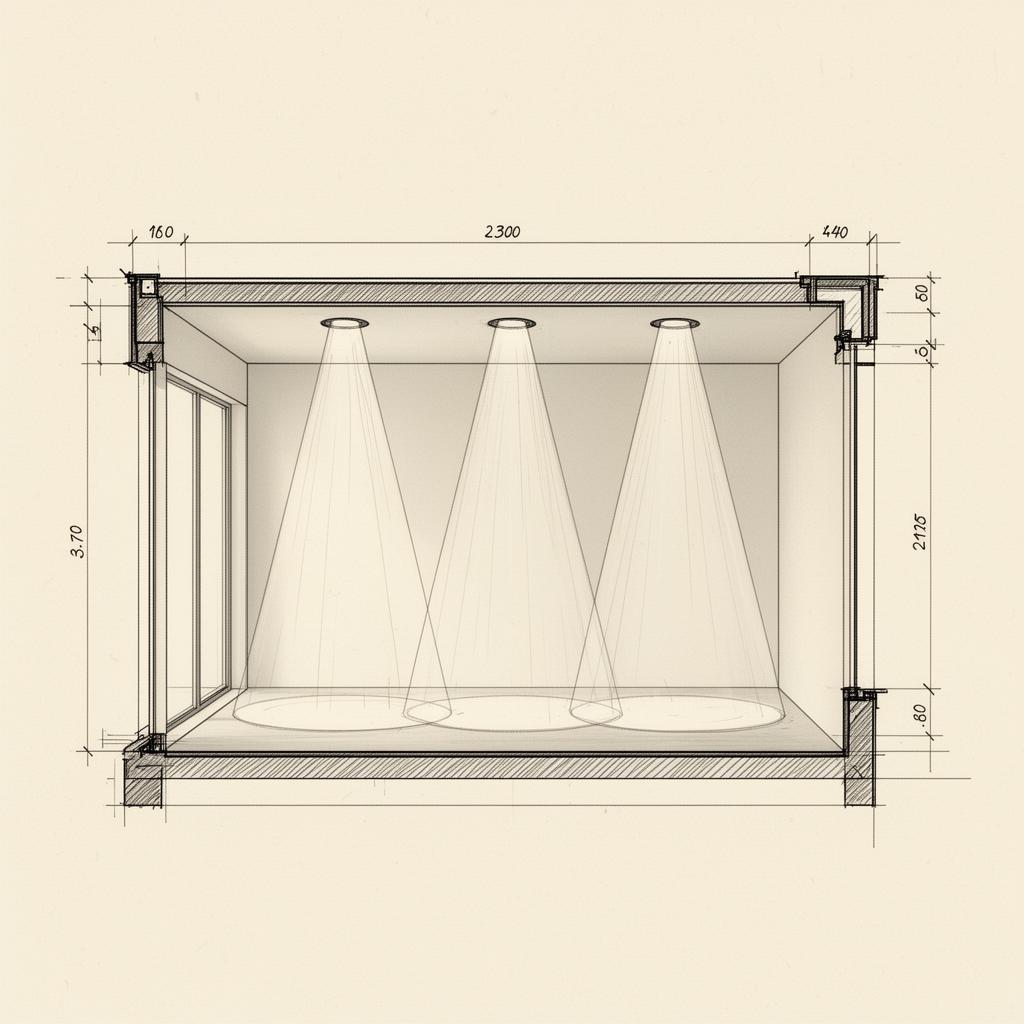
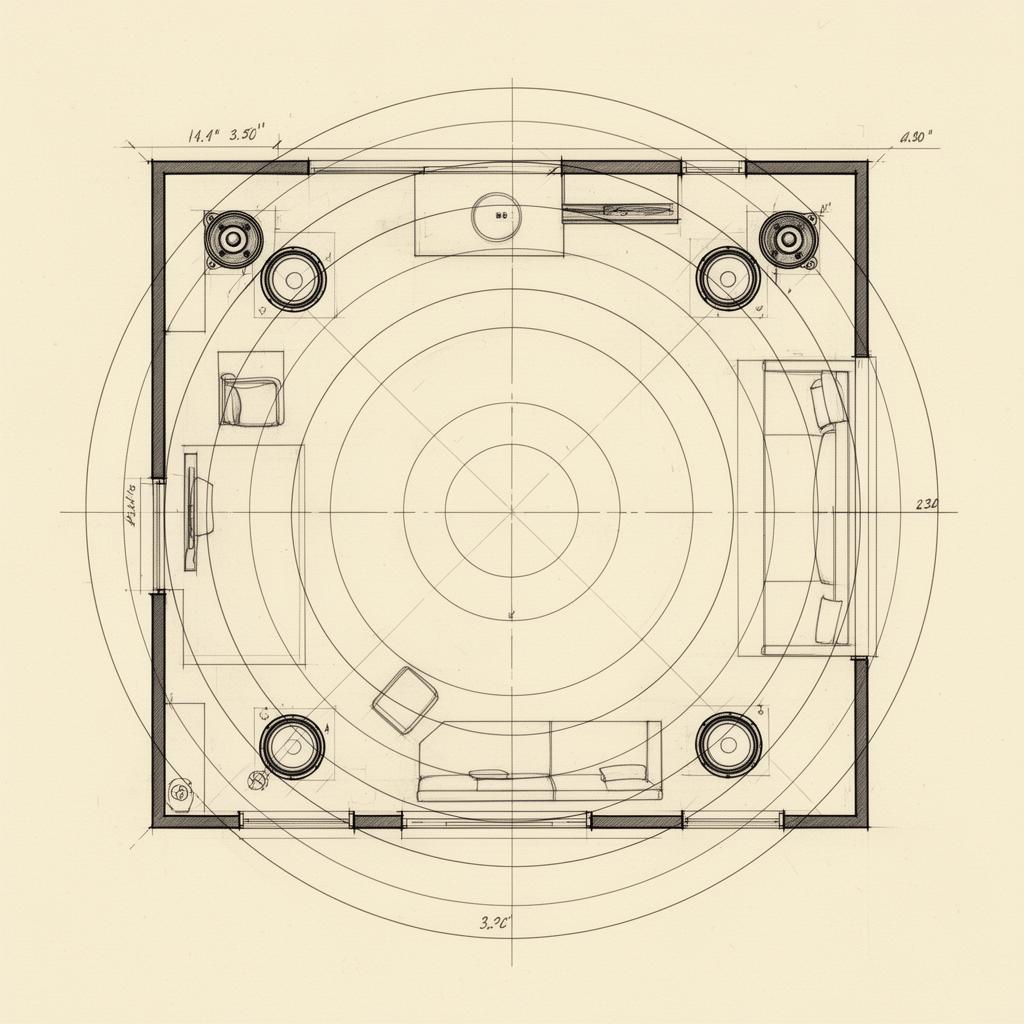
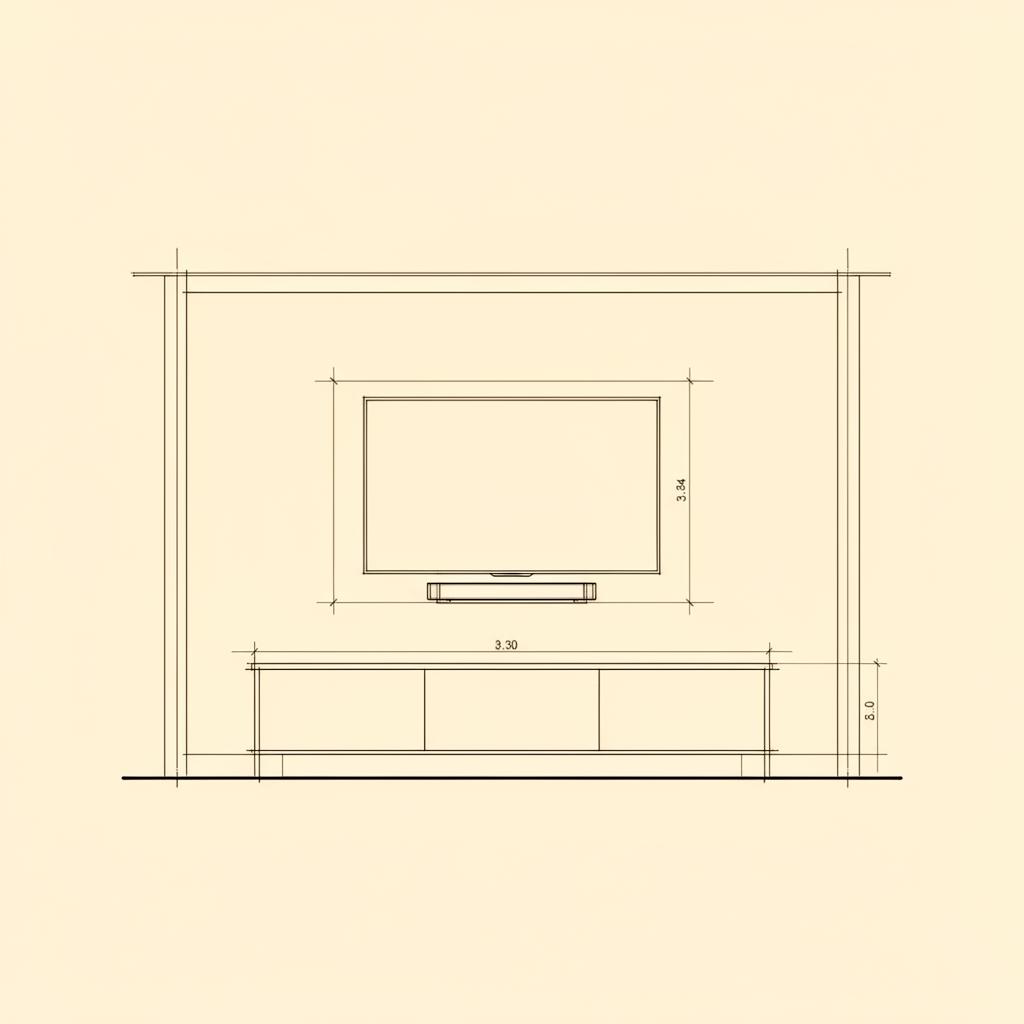
The room the house is anchored around. Architectural lighting, invisible in-wall audio, and a discreet wall-mounted television treated as architecture rather than electronics.

A first read on the low-voltage scope at Downey — the total budget, what each system delivers, and how the pieces add up.
Equipment, programming, project management, and labor — all baked in. The spread reflects design choices still ahead, not a tier ladder.
This document is not a contract, and it isn't a quote. It's a frame — a way of putting credible numbers against the experiences we're proposing for the home, well before any drawings are committed.
Pricing is all-in: equipment, programming, project management, and labor are baked into every range. The spread on each line reflects the design choices still ahead, not a good–better–best ladder. We'd expect to refine to a single number around the time framing begins, working from the architectural set as it develops with dSpace.
If a system feels right, we'll hold it. If it feels too much, we'll adjust. The numbers are here to be reacted to.
From here, we typically refine in three small passes — none of which need to happen all at once. Where a system feels right, we hold it. Where it feels too much or too little, we adjust before any drawings are committed.
An hour with you to talk through the eight systems above — which ones matter most, which feel optional, anything missing from how you imagine living in the house.
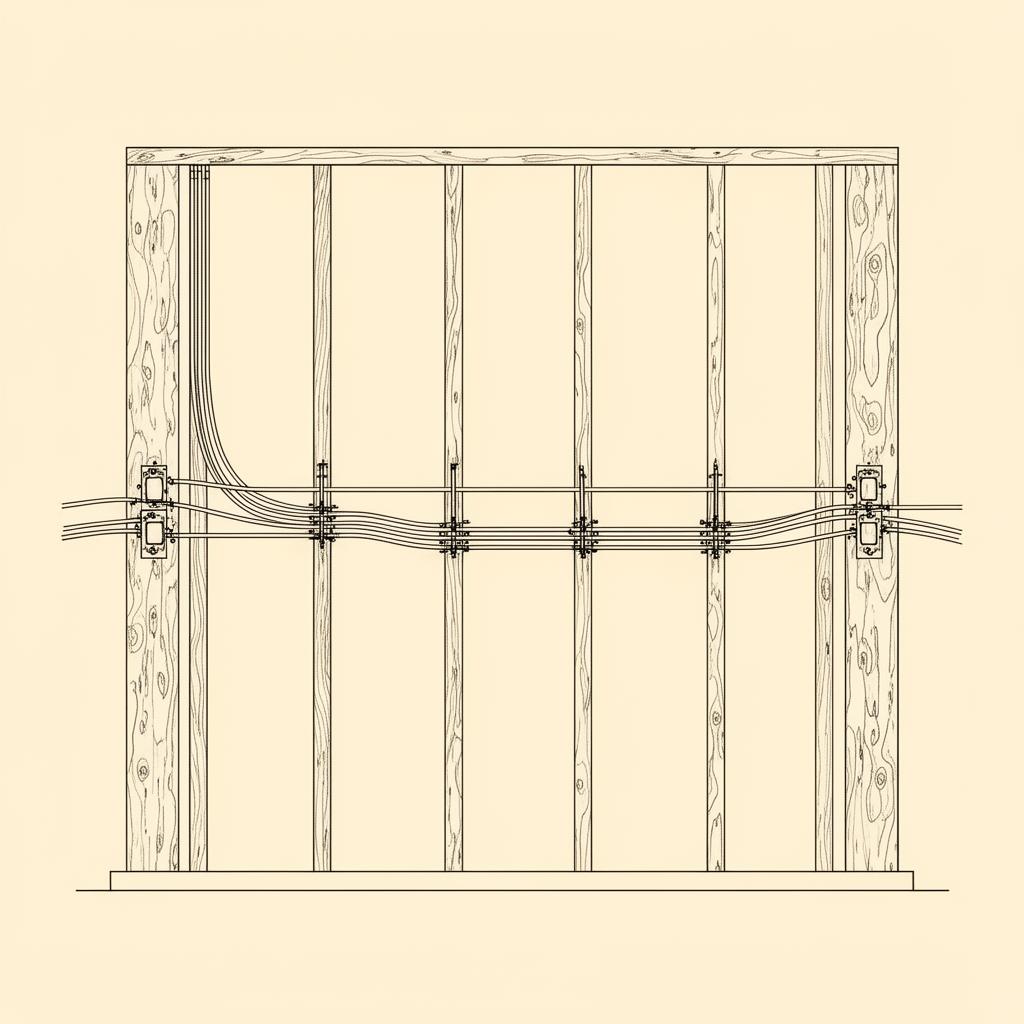
We work directly off the architectural set as it develops, so cable plans, ceiling devices, and keypad locations are resolved in drawings rather than on site.
Once the lighting plan is final and rough-in is imminent, this becomes a single, fixed number with a delivery schedule.